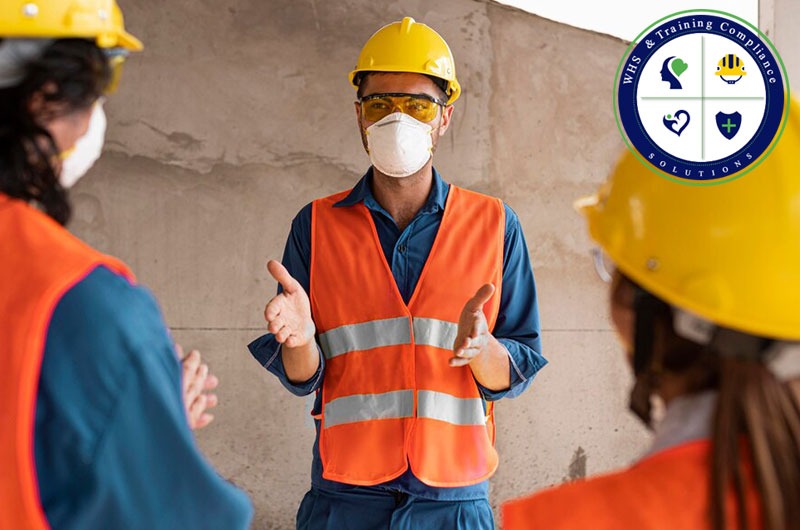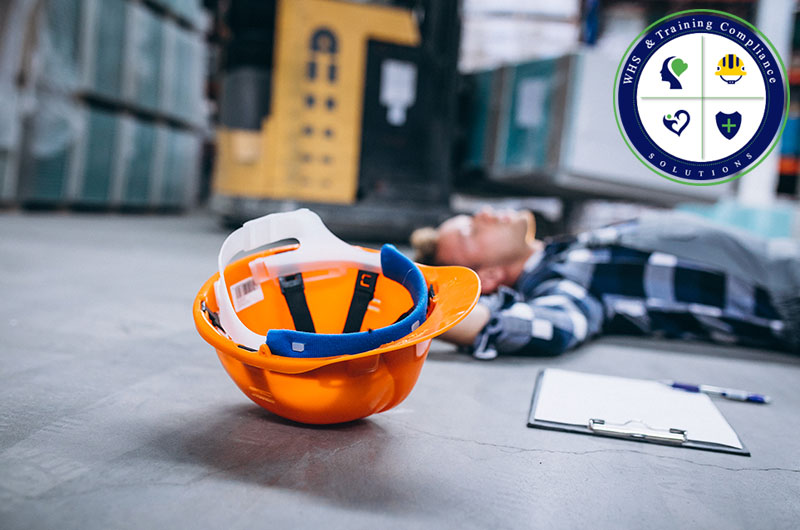
Workplace accidents cost Australian businesses millions each year. Lost productivity, compensation claims, and damaged reputation add up fast. A solid health and safety framework protects your team and your bottom line. The five-step approach gives you a clear path to managing risks. You spot hazards before they cause harm. Your workers go home safe each day.
The Need for a Strong Health and Safety Strategy
Building a strong health and safety strategy isn’t just about ticking boxes. It’s about creating a culture where people look out for each other.
Here’s why WHS training courses matter-
- Legal protection – You meet your obligations under Work Health and Safety laws. Avoid hefty fines and legal action.
- Lower costs – Fewer injuries mean less money spent on workers’ compensation and medical expenses.
- Boost productivity – Healthy workers perform better as they stay focused on their tasks
- Better Reputation – Clients alongside top talent prefer working with companies that value safety.
- Team morale – People feel valued when you invest in their health. They trust you more and stay longer.
A weak safety approach creates problems that spread through your whole operation. Small hazards grow into serious incidents. Staff turnover increases. Your business suffers.
The right strategy turns safety into a competitive advantage. You build systems that protect people while improving efficiency. That’s smart business.
Top 5 Steps in Health & Safety
Managing workplace risks doesn’t need to be complicated. The five-step process breaks down safety management into clear actions. Each step builds on the last one. You move from identifying problems to putting solutions in place. This systematic approach works for any industry or workplace size.
Step 1- Identify Hazards
You can’t fix what you don’t see. Start by walking through your workplace with fresh eyes. Look for anything that could hurt someone.
Physical hazards include wet floors, damaged equipment, and poor lighting. Chemical risks come from cleaning products, fumes, or improper storage. Think about issues like repetitive movements or awkward postures. Don’t forget psychological hazards such as workplace stress, bullying, or excessive workloads.
Talk to your team. They know where the problems are because they deal with them daily. Review incident reports and near-miss records. These documents reveal patterns you might miss.
Check different times of day. Some hazards only appear during busy periods or shift changes. New equipment or processes bring new risks. Stay alert to changes in your workplace.
Create a hazard register. List each risk you find with its location and potential consequences. Update the document regularly as your workplace grows.
Step 2- Assess the Risks
Not every hazard poses the same threat. A few may result in minor injuries, while others could be fatal. You need to work out which ones demand immediate attention.
For each hazard, consider two things. How likely is it to cause harm? How severe would that harm be? A high likelihood of serious injury needs urgent action. A low chance of minor harm sits lower on your priority list.
Use a simple risk matrix. Rate likelihood as rare, possible, or likely. Rate consequences as minor, moderate, or major. This gives you a clear picture of where to focus your efforts.
Consider who might be affected. Some workers face higher exposure than others. Contractors, visitors, and new employees might not know about certain risks. Pregnant workers or those with disabilities may need special consideration.
Document your findings. Write down how you assessed every risk with clear reasoning behind each decision. This way, you can protect yourself when questions arise later. Workplace health and safety Brisbane businesses often face audits. Thus, it is better to maintain good records.
Step 3- Control the Risks
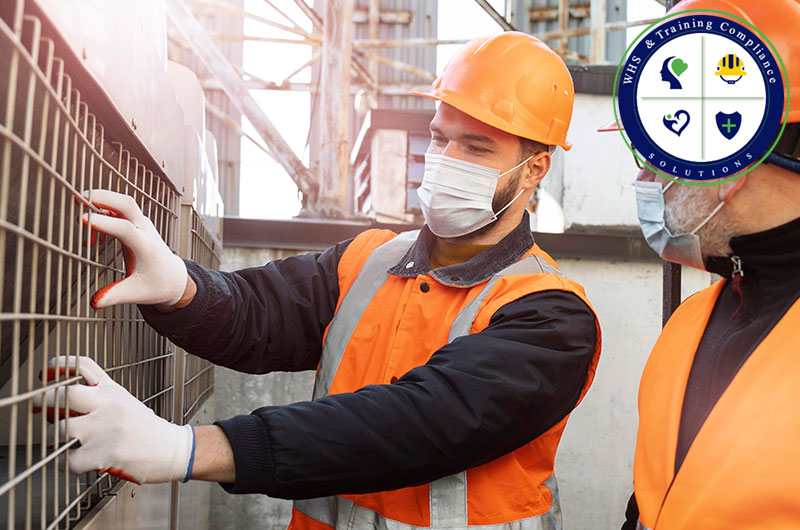
Time to take action. The hierarchy of control guides your decisions here. Start with the most effective options and work down.
Elimination removes the hazard completely. Can you stop using that dangerous chemical? Could you automate a risky task? This is your best option when possible.
Substitution swaps something dangerous for something safer. Replace toxic cleaners with gentler alternatives. Use lighter materials to reduce manual handling injuries.
Engineering controls change the physical workplace. You can improve ventilation or add machine guards to protect everyone.
Administrative controls include training, procedures, and warning signs. They’re less reliable because people make mistakes. Use them alongside other measures, not instead of them.
Personal protective equipment comes last. Helmets, gloves, and safety glasses protect individual workers. They’re your backup plan when other controls aren’t enough. Combine controls for better protection and layer your defences so that others work when one fails.
Step 4- Review Control Measures
Safety isn’t a set-and-forget task. What works today might fail tomorrow. Regular reviews keep your controls effective.
Set review dates based on risk levels. High-risk areas need monthly checks. Lower risks might only need annual reviews. Don’t wait for an accident to spot problems.
Test your controls. Are machine guards still in place? Do workers actually wear their protective equipment? Walk around and observe what’s really happening.
Check incident reports. If injuries keep occurring, your safety measures aren’t working well enough. Investigate why and make changes.
Ask your team for feedback. They use controls each day to know what works & what does not. They will spot issues before they become major.
New equipment may trigger immediate reviews. On the other hand, changing circumstances may lead to different risks. You should reassess before proceeding.
Document every review. Note what you checked, what you found, and what actions you took. This creates an audit trail while helping you spot trends over time.
Step 5- Maintain & Monitor
Good systems need ongoing attention. Maintenance keeps controls working properly. Monitoring tells you if they’re actually being used.
Create maintenance schedules for all safety equipment. Inspect fire extinguishers, first aid kits, and emergency lighting regularly. Service machinery according to manufacturer guidelines. Fix broken items straight away.
Train your team properly. New staff require thorough inductions that cover relevant hazards alongside controls. Refresher training can help experienced workers maintain decent habits. Note that WHS training courses offer your team an understanding of what is needed to work safely.
Monitor compliance via regular audits as well as inspections. Check whether the procedures are being followed, or consider whether the equipment is in proper condition. You may address the issues speedily before they escalate.
Note that training attendance, alongside inspection reports, proves you’re meeting your obligations. They also help you spot patterns while improving your systems.
Review your entire safety management system annually. Look at trends in incidents and costs. You can use the data to set priorities for the coming year.
Wrap up
The above process offers a proven framework for workplace safety. You can identify what could go wrong and then put control in place. Regular reviews keep everything working properly. Such an approach protects your people and your business. Start today and build a safer workplace tomorrow.
FAQs
What is the main goal of workplace health and safety?
The main goal is to prevent workplace injuries and illnesses. This protects workers while reducing employers’ business costs and legal risks.
Who is responsible for health and safety at work?
Everyone shares responsibility. Employers must provide safe workplaces. Workers must follow safety procedures and report hazards they notice.
Can workers refuse unsafe work?
Yes. Workers can refuse work they reasonably believe is unsafe. They must report concerns to their supervisor or health and safety representative.
How often should risk assessments be conducted?
Risk assessments need regular reviews. High-risk areas require monthly checks. Annual reviews suit lower-risk environments. New processes need immediate assessment.
What are common workplace hazards?
Common hazards include slips and trips, manual handling injuries, chemical exposure, electrical risks, and psychological stress from work pressure or bullying.
How do you create a safety culture?
Lead by example and encourage reporting. Provide proper training, involve workers in safety decisions, and respond quickly to concerns raised by staff.