People in Australia may experience mental health challenges at any time. Most people freeze when they see someone in crisis because they lack the right skills. Mental health first aid training fills this gap. It shows you how to spot problems early, step in with confidence, and connect people to the help they need.
Introduction to MHFA or Mental Health First Aid
Mental health first aid is a training course that shows you how to help someone going through a mental health crisis or developing a problem. Think of it like CPR for the mind. You learn practical ways to respond when someone needs support.
Australia created MHFA in 2000. Now people across the world take this course. The training won’t turn you into a counsellor. What it does is give you the tools to start a conversation, offer support, and stay calm until professional help takes over.
Mental health first aid operates on five foundational principles that guide every interaction. These pillars shape how you approach someone in distress and ensure your support is both helpful and appropriate.
Key components include:
Most programmes run for two days face-to-face or offer online modules you can complete at your own pace. You get a certificate that lasts three years. Lots of companies bundle this with their WHS courses Brisbane options to build healthier teams.
- Recognising the signs and symptoms of common mental health conditions
- Understanding how to approach someone who may be experiencing distress
- Learning practical strategies to provide initial support
- Knowing when and how to connect someone with professional services
- Reducing stigma around mental health discussions in workplaces and communities
Top Things You Learn in Mental Health First Aid
The training packs include real skills you can use straight away. You don’t just learn theory. You practise handling actual situations that may occur in everyday life. Here are the main areas the course covers.
Identifying Early Warning Signs of Mental Health Issues
You learn to spot behavioural shifts that might mean someone is struggling. These include mood swings, energy changes, trouble focusing, or sleep issues. The training teaches you to trust your gut when something feels out of control.
Recognition skills help you step in early before things get critical. You practise watching without making snap judgements and learn the difference between normal stress and actual mental health problems forming.
Understanding Common Mental Disorders
The WHS courses Brisbane give you solid information about certain mental issues, such as-
- Depression
- Anxiety disorders
- Psychosis
- Substance use issues etc.
You learn how these conditions look different across age groups and personalities. This knowledge takes away the guesswork around mental health conditions. You get real insight into what someone with these disorders might be thinking and feeling. This helps you respond with empathy instead of fear or judgment.
Applying the ALGEE Action Plan
MHFA teaches a five-step framework called ALGEE. This acronym walks you through any mental health situation.
Approach, assess, and assist with any crisis. Listen without judgment and give your full attention. Give reassurance and information about available support. Encourage self-help alongside other processes. It is one such approach that stops you from panicking when faced with a mental health scenario. You can learn exactly what steps you should follow.
Communicating During Any Crisis Scenario
You can practise specific ways to talk with someone in distress. That includes using open body language or speaking calmly. You may also ask direct questions about suicide if required.
The training busts common myths. That helps you learn the fact that asking about suicidal thoughts doesn’t put ideas in someone’s head. What it does is open new opportunities for honest conversation through which you can save lives.
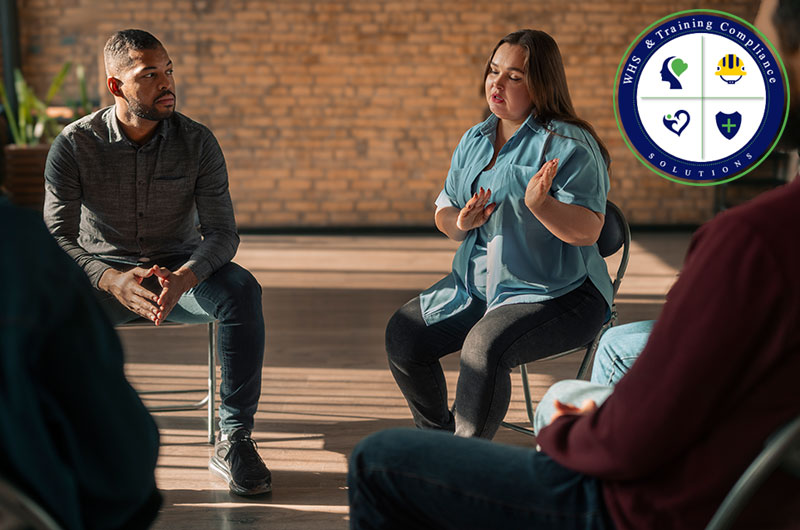
Role-playing exercises build your confidence in having tough conversations. You learn how to stay calm when someone is wound up or distressed.
Responding to Suicidal Thoughts and Behaviours
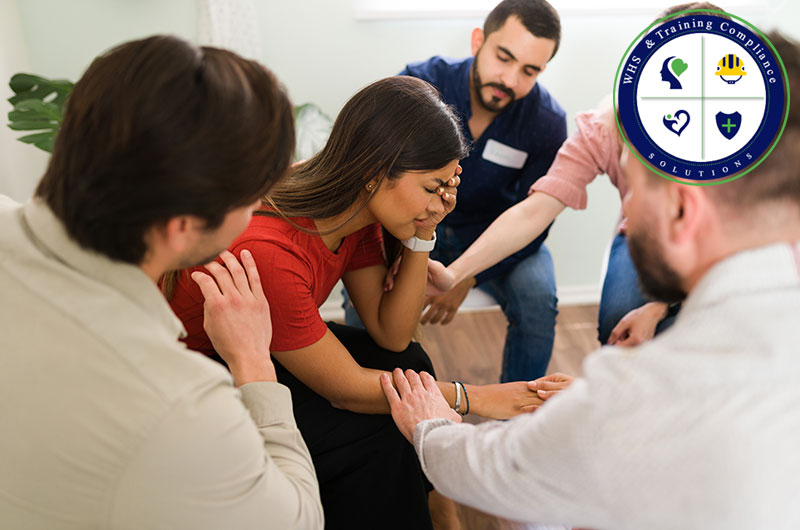
The course spends serious time on suicide prevention. You learn risk factors, warning signs, and how to work out immediate danger. The training covers what to say and do when someone talks about ending their life.
You gain practical skills for keeping someone safe until professional help shows up. This includes removing means of self-harm where you can and staying with the person. You also learn how to check in after a crisis passes.
Supporting Someone Experiencing Panic Attacks
Panic attacks can be scary for both the person going through them and those watching. MHFA also teaches you how to spot the physical symptoms while offering the right support.
You learn breathing techniques to share with someone having a panic attack. The training stresses staying present and reassuring the person that the intense feelings will pass.
Recognising Psychosis and Severe Mental Health Episodes
Psychosis means losing touch with reality through hallucinations or delusions. The training helps you spot these symptoms and respond properly without making things worse.
You can learn to keep yourself and other people safe. Besides, you can validate their feelings without playing into delusions. This way, you can connect them with emergency solutions if needed. It covers how psychosis shows up differently around various conditions.
Addressing Substance Use & Mental Health
Mental health issues, as well as substance use, often tangle together. The training digs deep into this connection. It teaches you how to support someone dealing with both issues.
You learn about harm reduction approaches and how to have non-judgmental conversations about substance use. The course covers when substance use turns into an emergency needing quick intervention.
Reducing Stigma & Promoting Recovery
MHFA challenges stereotypes and teaches you to use respectful language when talking about mental health. You learn how stigma stops people from seeking help and how your attitude can shift things.
The training stresses that recovery is possible. You can learn about treatments and how to encourage hope without making fake promises that you fail to keep.
Keeping up with Self-Care
Supporting others with mental health issues may emotionally drain you. However, you might learn how to spot your limits while keeping up with your health.
You may learn how to seek help for yourself or others during difficult scenarios. The training helps you get a clear idea of how to help others in a better way.
Final Thoughts
Want to have confidence to act smartly when someone needs help? You can do so with the right mental health first aid training. The skills learnt through the training help you work in real situations. You can better spot the early signs and, at the same time, handle crises more efficiently. As a result, people feel comfortable asking for help from you when they need it most.
FAQs
How long will a mental health first aid certificate last?
Your MHFA certificate stays valid for three years from the date of completion. You need to complete a refresher course to keep your certification current after this period. The refresher brings your knowledge up to date with current best practices and research.
Can anyone take mental health first aid training?
Yes, MHFA is open to everyone aged 18 and over. You don’t need any medical background or mental health experience. The course works for managers and HR professionals alike. Teachers, alongside community workers, can also receive training to give proper support to others.
Is mental health first aid the same as therapy?
No, MHFA is not therapy or counselling. You learn to give initial support while guiding people towards professional help.
Can I use mental health first aid skills at work?
Yes, these skills apply directly in workplaces. You can support struggling colleagues and know when to involve HR or employee assistance programmes.
How long does the mental health first aid course take?
The standard course runs over two full days. This is around 12-14 hours of training. Online options let you complete modules at your own pace over several weeks.
Do I need to renew my certificate?
Renewal is required every three years. The refresher course is shorter. It focuses on updates to keep the skills current.