Workplace bullying is repeated and unreasonable behaviour directed towards a worker. This behaviour creates a risk to health and safety in Australian jobs. Organisations need to stop these patterns to prevent mental harm to staff. Building a safe culture helps businesses grow and keeps employees happy.
Companies should have clear rules about how people treat each other at work. Professional WHS training Australia provides the necessary framework for businesses to establish these essential safety standards. Developing a supportive atmosphere encourages productivity and reduces the turnover rates often caused by toxic interpersonal dynamics.
Continue reading to learn the common signs and effects of workplace bullying in Australia. This blog also highlights the ways to respond to this.
What is Workplace Bullying in Australia?
The law says bullying is repeating actions that hurt or upset a person. It does not include fair feedback from a manager about work performance. Bullying can come from a boss or a person you work with. It can even come from someone who works for you.
This behaviour happens through talking, emails or physical actions. It makes a person feel unsafe and unable to do their job. Learning about these boundaries is a part of workplace bullying and harassment training. Everyone deserves to feel safe when they are at their desk.
Some examples of this behaviour are:
- Repeating bad actions instead of having a single disagreement.
- Doing things that a normal person would find very offensive.
- Actions that cause direct harm to the mental health of others.
- Leaving people out of work tasks or important team information.
- Using social media to post mean things about a co-worker.
Common Signs of Workplace Bullying
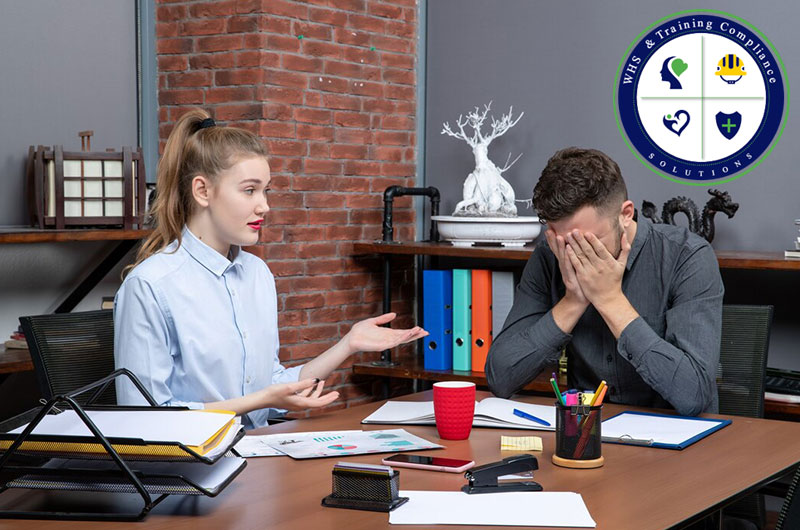
Finding the signs of mean behavior helps fix problems before they get big. Bullying is often hidden, like leaving someone out of lunch or meetings. A person might find they get mean comments in front of the team. They might get impossible tasks that they cannot finish on time.
Mean behaviour also includes yelling or using bad words or physical threats. Some bullies try to control every small thing a worker does. This takes away the freedom of the worker to do their job well. Noticing these signs helps the company step in and help.
The signs of a bullying environment are:
- Spreading lies about the private life of a co-worker.
- Giving someone boring tasks that do not use their skills.
- Deliberately changing work rosters to inconvenience a specific staff member.
- Ignoring or dismissing professional input during team meetings and discussions.
- Taking credit for the hard work that someone else did.
Effects of Workplace Bullying
Bullying hurts more than just the feelings of the person being targeted. Victims feel a lot of worry and sadness and lose their confidence. This stress causes physical pain like headaches or trouble sleeping. People feel tired all the time when they face this at work.
For the business, bullying leads to low spirits and less work getting done. It creates a culture where people are afraid to share new ideas. Companies often have to pay for insurance claims and legal bills. A bad environment hurts everyone who walks through the front door.
The results of bullying behaviour are:
- People are staying home from work to avoid the bad environment.
- Workers are not caring about the goals of the company anymore.
- Higher risks of mental health crises for the people targeted.
- A bad name for the company that stops new candidates from joining.
- Good staff leaving the company to find a kinder place to work.

How to Respond to Workplace Bullying?
Responding to bullying needs a plan that keeps the worker safe. The first step is writing down everything that happens with dates. You should tell the company through the formal paths they provide. This starts a real look into the problem by the right people.
Companies should give support to help the person feel better again. Managers need to learn how to listen to complaints with care. Using workplace bullying and harassment training ensures everyone knows the right steps. No one should have to face these problems all by themselves.
Ways to respond to this behaviour are:
- Telling a manager or the office team about the problem.
- Asking for help from groups that look after worker rights.
- Talking to a professional to help with the sad feelings.
- Going to a meeting to solve the problem if it is safe.
- Staying calm when the bully tries to start a fight.
Learning every day is the best way to stop a bad work culture. Special classes help leaders see signs and stop them very fast. Comprehensive WHS training Australia offers workers the power to speak up. It teaches people how to help their friends who are being treated poorly.
Custom workshops can be made for the needs of different types of work. Online learning lets people learn at their own speed when they are free. Paying for these programs shows the company cares about its people. It keeps the business following the law while keeping staff safe.
Training and tools for the workplace are:
- Classes that teach how to help people in very sad times.
- Tools to help teams talk to each other in better ways.
- Tests to see how strong and happy the current team feels.
- Education on how to stay fresh and awake while working.
- Specific workshops to stop sexual harassment at the desk.
Conclusion
Addressing workplace bullying is a job for every boss in Australia. By finding signs and using clear steps, companies protect their staff. A safe environment to work brings success for the whole team. Looking out for each other makes the workday better.
Office safety is more than just preventing physical trips and falls. Mental safety is also a part of a healthy office. Employers have to lead by treating everyone with kindness. This builds trust and helps the company reach its goals faster.
Every person has the right to work without feeling scared. Companies that invest in training see better results from their staff. Training helps people understand what they can and cannot do. It creates a path for solving fights before they turn into bullying.
About Author
WHS and Training Compliance Solutions helps businesses become safer places to work. They work with many different industries across the country. The organisation offers a wide variety of courses, from managing fatigue to combating bullying and harassment. The consultants have a lot of experience and high qualifications. They create workshops and online learning to help companies stay safe and follow the rules.
FAQs
- What is the definition of workplace bullying?
Workplace bullying is repeated bad behavior toward a worker. It creates a risk to their health and safety. It involves actions that make a person feel small or scared.
- How can I report bullying behavior?
Follow the steps your company has for making a complaint. Tell a boss or the human resources team. You can also talk to government groups for more help.
- Can one bad event be bullying?
One event is usually not called bullying but it can be harassment. All forms of negative behavior should be addressed to maintain a safe work culture.
- What are the legal duties of employers?
Employers in Australia must provide a safe work environment under Work Health and Safety laws. This includes identifying risks, implementing prevention policies and providing adequate training to all staff and management.
- What should people watching do?
People who see bullying can help by writing down what happened. They can encourage the victim to get help. Reporting what you see helps the company fix problems.
- How does training help stop bullying?
Training teaches people how to behave well at work. It gives managers the skills to fix fights. It makes sure everyone knows what happens if they are mean.