You might feel that empathy is a soft skill that belongs in therapy sessions rather than modern industrial sites. Actually, understanding your team members helps you identify risks before they turn into expensive legal or safety problems.
Mastering Power of Empathy training course allows you to build stronger connections with your direct reports. Strong leadership involves more than just giving orders or checking boxes on a standard safety compliance form.
You should listen to the concerns of your workers to prevent burnout and reduce high staff turnover rates effectively. Empathy creates a culture where people feel safe enough to report near misses without fearing immediate harsh retribution.
Why Emotional Intelligence Matters for Safety
Australian businesses face growing pressure to manage psychosocial hazards that impact the mental health of every single employee. You need to recognise that a stressed worker is far more likely to make mistakes on a busy site.
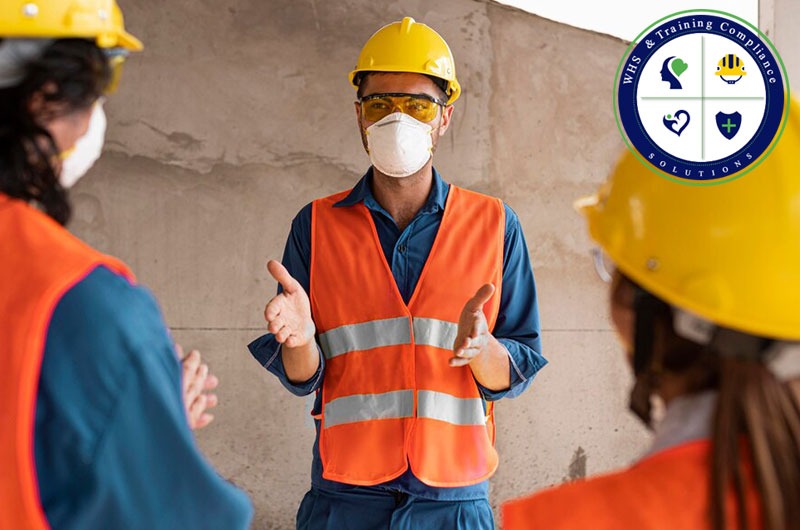
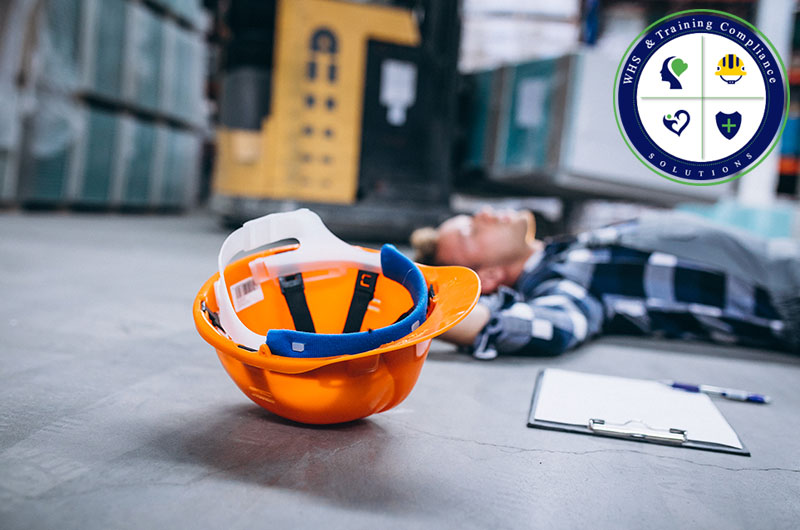
Using WHS training Australia standards helps you create a framework where mental well-being receives the same attention as physical. You can reduce accidents by simply paying attention to how your team feels during their daily morning toolbox talks.
Managing Psychosocial Risks Effectively
Australian law now requires you to treat mental health risks with the same level of care as falling objects. You must identify factors like excessive workloads or workplace bullying that cause significant harm to your loyal staff members.
Proactive management of these risks prevents long-term disability claims and keeps your insurance premiums at a much lower level. You should implement clear policies that support workers when they experience difficult personal times or high levels of stress.
Techniques for Active Listening in Management
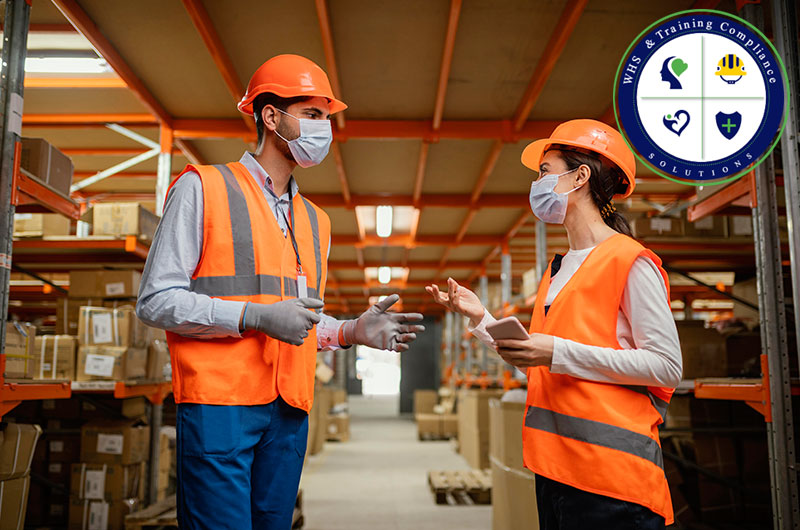
You can improve your communication by giving people your full attention when they speak about their specific work challenges. Stop checking your phone or looking at your computer screen while a staff member shares their honest feedback.
You should repeat what you heard to show that you truly understand their perspective before you offer any advice. This simple technique builds trust and encourages your team to be more open about potential hazards in their area. People tend to work much harder when they know their manager actually cares about their daily physical safety.
Implementing Regular Mental Health Checks

You should schedule regular one-on-one meetings that focus on how your staff members are coping with their current duties. These sessions provide a private space for people to voice concerns that they might not share in front of others.
Mastering Power of Empathy training course gives you the tools to handle these sensitive conversations with professional care. You will learn how to ask open questions that lead to deeper insights regarding the morale of your workforce. Genuine interest in the lives of your employees leads to a much more loyal and dedicated team overall.
Training for a Safer Workplace
Education is the most effective way to change how your supervisors interact with the people on the ground. You can find specialised programmes that focus on the intersection of human emotion and strict regulatory safety compliance.
High-quality WHS training Australia providers offer specific modules that help you understand your legal obligations regarding worker health. You really cannot afford to skip these sessions if you want to protect your business from potential litigation. Training ensures that every leader in your organisation speaks the same language when it comes to supporting their teams.
Benefits of an Empathetic Workplace
- You will see a significant reduction in the number of sick days taken by your most stressed employees.
- Staff retention rates usually improve because people prefer working for managers who treat them with basic human respect.
- Your team will likely become more productive because they feel motivated to perform well for a supportive leader.
- Safety reporting usually increases because workers trust that you will fix problems rather than just blaming the individual.
- The overall reputation of your business improves which makes it much easier for you to recruit top-tier talent.
- You create a more resilient workforce that can handle changes and challenges without falling into a state of panic.
Measuring the Results of Connection
You should track your safety data before and after you introduce empathy-based leadership styles to see the real impact. Look for a decrease in minor incidents and a steady rise in the quality of your internal safety audits.
You might notice that your team meetings become more collaborative as people feel comfortable sharing their creative new ideas. Positive changes in your company culture often lead to better financial results and a much stronger market position.
Building Long-Term Organisational Resilience
You must understand that culture change takes a lot of time and consistent effort from every level of management. You cannot just hold one meeting and expect everyone to change their behaviour and attitudes toward safety overnight.
Empathy requires constant practice and a genuine commitment to the well-being of every person who works for you. You will find that the effort pays off when your team stands together during difficult periods of high pressure.
Conclusion
Establishing an empathetic workplace is not just about being soft. It also about being smart while protecting your most valuable assets. It is possible to transform your safety culture by listening and responding to the needs of your employees. This approach leads to fewer accidents, happier employees, and a business that stands out for its high standards.
Now it is time to lead by example to show that creating proper human connection lays down the path of success. Start making these changes today to ensure a safer and more profitable future for your entire Australian organisation.
WHS and Training Compliance provides expert guidance to help you manage workplace safety and training requirements across Australia. The professional team offers practical solutions that protect your staff and ensure your business meets all current legal obligations.
Author Bio
The author is a senior workplace safety consultant with over years of experience in Australian industrial compliance. He specialises in integrating emotional intelligence with traditional safety systems to help businesses reduce risks and improve productivity. The expert aims to promote techniques to help companies build safer, more supportive cultures through practical leadership training.
FAQs
How does empathy improve safety on a construction site?
You will find that empathetic managers identify worker fatigue and stress before these issues cause accidents. People feel more comfortable reporting hazards when they know their supervisor will listen with genuine care.
What is a psychosocial hazard in the workplace?
These are factors like bullying, high job demands, or poor support that cause psychological or physical harm. You must manage these risks under current Australian health and safety laws to protect workers.
Can empathy be taught to traditional managers?
It is possible to learn certain methods that can enhance active listening along with emotional awareness through professional development programmes. These courses provide practical tools that help supervisors connect more effectively with their diverse team members.
How does empathetic leadership lead to staff retention?
When staffs feel valued and experience proper communication with the management, empathetic leadership leads to retention.
Does empathy reduce the number of insurance claims?
Empathetic environments typically have fewer mental health claims and lower rates of physical injury due to better communication. You can lower your premiums by demonstrating a proactive approach to the well-being of your staff.
What is the first step to building empathy?
You should start by asking your team members for their honest feedback regarding the current workplace culture. Listening without being defensive shows that you are serious about making positive changes for their daily benefit.