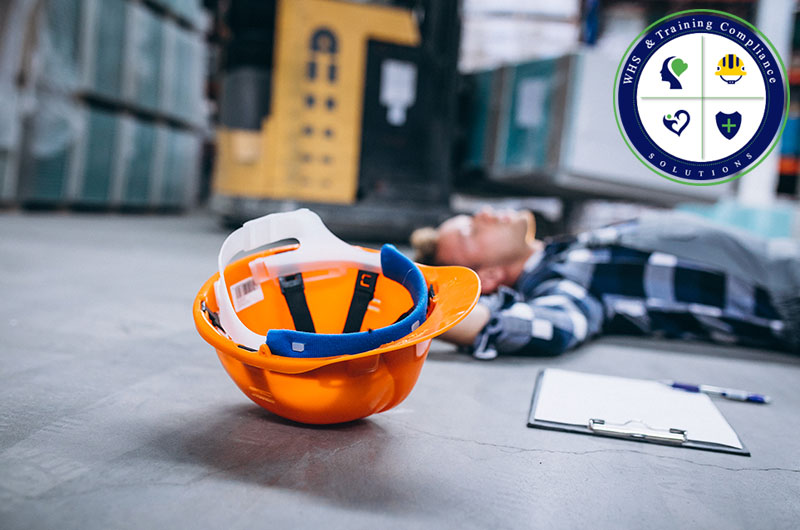
You should book workplace first aid courses Brisbane to help your team handle medical emergencies with confidence. Every Australian business must follow strict safety guidelines to protect staff from physical injuries during their daily tasks.
It is best to have a clear strategy for risk management and to meet the requirements set by national safety regulators. Following the Model Code of Practice helps you determine how many first aid officers your specific site needs.
Assessing Your Workplace Safety Requirements
You must conduct regular risk assessments to identify potential hazards that could harm your staff. Different industries face unique dangers that require specialised medical equipment and trained personnel on-site. You should consider the size of your building and the nature of the work performed by your employees.
High-risk environments like construction sites demand more frequent checks than a standard office in the local city.
Determining the Number of First Aid Officers
You should appoint one first aid officer for every fifty workers in a low risk workplace environment today. High-risk workplaces require one trained person for every twenty-five employees to maintain safe standards for the group.
You must ensure these officers hold current certifications that meet the latest Australian training framework standards. Your team relies on these designated people to take charge when a medical crisis happens during work.
- Verify the qualifications of the staff members on a regular basis.
- Put the names of first aid officers in common areas.
- Update your contact list whenever a trained staff member leaves.
- Provide refresher classes to keep skills sharp and accurate.
Implementing Comprehensive Physical Safety Protocols
Providing your team with standard mental health first aid training creates a supportive atmosphere where everyone feels seen. You should stock your first-aid kits with supplies that match the specific risks in your warehouse.
You must place these kits in easily accessible areas where people can find them without any delay. Clear signage helps visitors and new employees quickly locate medical help during a sudden health emergency.
Maintaining Your Medical Equipment
You should assign a specific person to check the expiry dates on all your medical supplies every quarter. Replacing used items immediately keeps your business ready for the next unforeseen incident that might occur tomorrow. You must document every check to demonstrate that you take your safety obligations as a local employer seriously.
Looking After the Minds of Your Staff Members
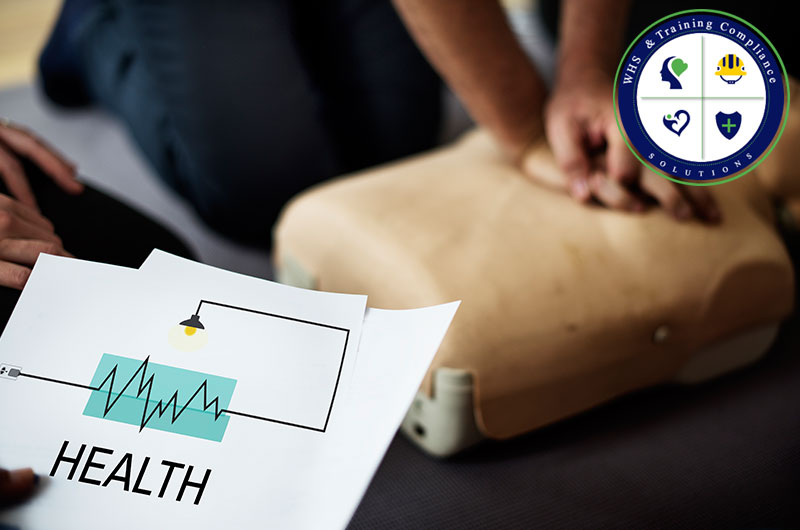
Safety is not just about bandages and ice packs anymore. You should consider the mental well-being of every person on your payroll. Providing standard mental health first aid training helps your team support each other through tough times.
You see, stress and anxiety can affect productivity just as much as a broken leg. You can create a workplace where it is okay to talk about feeling overwhelmed. This approach builds a loyal team that sticks together when things get busy.
Spotting the Signs of Workplace Stress
You might notice a staff member becoming quiet or missing deadlines more often. These are often signs that someone is struggling with their mental health. You should train your managers to listen without judging or jumping to conclusions.
This creates a culture of trust where people feel safe to ask for help. You should offer a quiet room where people can take a few minutes to breathe. Small gestures like this make a massive difference to the overall office mood.
Keeping Your Safety Paperwork in Top Shape
You must keep a record of every injury, no matter how small it seems. These records prove that you follow the law and take safety seriously. You should use a digital system to track when certifications are about to expire.
If a safety inspector visits, you can show them your clean and organised files. This shows that you are a professional who cares about your legal duties. It also helps you see patterns in accidents so you can stop them.
Writing a Clear Safety Manual
You should have a simple book that explains what to do in an emergency. Use plain English so everyone can get the information quickly. You should include a map of the building with all the exit doors marked. This manual should sit in a spot where anyone can grab it at any time. Update it whenever you move furniture or hire more people. A good manual is a living document that grows with your company.
Improving Your Daily Safety Culture
You should talk about safety in your weekly team meetings. Ask your staff if they have noticed any new dangers on the floor. People working the front lines always have the best ideas for improvements. You should encourage everyone to take part in standard mental health first aid training to improve office life. When everyone cares about safety, the risk of accidents drops significantly. You build a better business by putting your people at the very top of your list.
Training Your New Employees Properly
You should include a safety walkthrough on every new person’s first day. Show them where the first aid kit lives and who the officers are. You must explain how to report a hazard without feeling like a nuisance.
This sets the right tone from the very beginning of their career with you. You should also check if they have any existing medical conditions you need to know about. This helps you provide the right support if they ever feel unwell at work.
Staying Ahead of Legal Requirements
The laws around safety change quite often in Australia. You should stay informed by checking the official government safety websites. Attending regular WHS training keeps you updated on your various legal responsibilities.
You do not want to find out about a new rule after you get a fine. You should work with experts who know the local Brisbane safety landscape well. They can help you spot gaps in your current plan that you might have missed.
Investing in Quality Safety Gear
You should never buy cheap, low-quality safety equipment for your team. Reliable tools last longer and perform better when you actually need them. Check your fire extinguishers to make sure they are still full. You must replace any worn-out floor mats that could cause someone to trip. These small costs are an investment in the future of your company. A safe workplace is a profitable workplace because you have fewer disruptions.
Conclusion
You have the power to make your office a much better place to work. By following these steps, you meet your legal goals and protect your friends. You should start by booking WHS training for your leadership team this month. This shows that you lead by example and also value every person in the building. You can rest easy knowing you have done everything possible to keep everyone safe.
Keep your Brisbane business safe and legally compliant with our expert help. Contact WHS and Training Compliance today to find the best workplace first aid courses Brisbane for your team. Their workplace training courses provide the tools you need to protect your workforce and your reputation.
Author Bio
The author is an experienced and dedicated safety consultant with years of experience helping Australian businesses meet their legal obligations. They aim to simplify complex regulations so every manager can create a secure environment for their hardworking team. This post provides clear steps to help you master workplace first aid standards effectively.
FAQs
How often do staff need retraining?
You should refresh first-aid certificates every 3 years to keep skills current and accurate for emergencies. WHS First Aid training requires an annual update to follow the latest Australian Resuscitation Council guidelines.
What is a high-risk workplace?
A high-risk workplace involves dangerous activities like construction, manufacturing, or working with hazardous chemicals and machinery. These sites require more first-aid officers and specialised equipment to protect the entire team.
Do small businesses need kits?
Yes, every Australian business must provide a first-aid kit, regardless of the number of employees. You must ensure the kit remains accessible and contains items relevant to your specific risks.
Can I train online only?
Most first aid qualifications require a practical assessment to prove you can perform life-saving skills like CPR. Online components often cover the theory, but you must attend a physical class for certification.
Who pays for the training?
Employers usually cover the cost of training for their designated first aid officers as part of safety compliance. Investing in these courses protects your business from legal risks and keeps your staff safe.
What is a basic first aid course?
A basic first aid training teaches you how to care for yourself and your coworkers in the event of an accident or catastrophe. Everyone should be responsible for making their workplace safe for all. These training courses provide great first aid courses, spanning both basic and advanced levels.