Mental health is a big priority for Australian communities and modern workplaces. Research shows that many adults experience a mental health condition every year. Understanding how to support these people is important for everyone. This guide explains the details of the Standard Mental Health First Aid course. It highlights how participants can gain the skills to assist others effectively.
Understanding Mental Health First Aid Basics
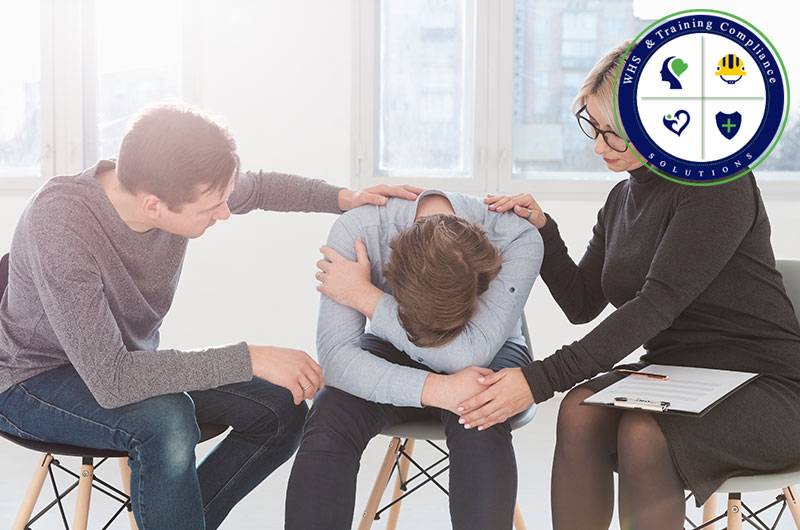
Mental Health First Aid acts as the initial support for someone experiencing a mental health problem. This assistance is provided until the person receives professional help or the crisis settles. It functions similarly to physical first aid but focuses on the mind. The training ensures that supporters can step in with genuine care and high confidence.
The following points define the core purpose of this education:
- It provides practical ways to manage mental health situations in real life.
- Training helps people understand common conditions and symptoms much better.
- The program helps people talk openly and supportively about health.
Recognising signs before they escalate can lead to better long-term recovery outcomes. Participants learn to observe changes in behaviour that might indicate an underlying struggle. This proactive approach helps maintain stability within families, workplaces and local social groups.
Detailed Curriculum and Learning Outcomes
The standard mental health first aid course Brisbane covers various critical aspects of mental well-being. Participants look at the basics of mental health and how common it is. They learn how these issues affect families and the whole community. This helps first aiders see why their role is so important today. You will gain knowledge that helps you stay calm during difficult times.
The training includes the following learning areas:
- Finding early signs of depression and anxiety or different psychotic disorders.
- Understanding how people get help for drug use or alcohol problems.
- Learning about treatments for schizophrenia and bipolar disorder in the community.
The course teaches how to provide assistance during a period of mental illness. Knowledge of professional treatments allows first aiders to guide others toward the right care. This education builds a strong base for being a helpful resource. You will understand how to offer support that actually makes a difference.
Mastering the ALGEE Action Plan
The ALGEE action plan is a practical five-step method taught during the course. This evidence-based framework has been shown to work in many different environments. It provides you a clear way to talk to someone who is struggling. Having a plan helps you stay calm when emotions are very high. It makes the process of helping someone feel much more manageable.
The steps of the ALGEE plan are:
- Approach the person and check for any immediate crisis or needs.
- Listen and communicate with the individual in a calm, non-judgemental way.
- Give support and clear information about the situation and available help.
- Encourage the person to get professional help from a counsellor.
- Encourage other supports like friends and family or community groups.
Following these steps makes sure you stay helpful without doing too much. It moves the conversation toward safety and getting professional care. Learning this plan gives you a clear purpose during a mental health crisis. It is a key tool for anyone who wants to help others. You will feel ready to handle many different types of situations.
Handling Mental Health Crises
Crisis help is a major part of the training for all participants. The program covers serious things like suicidal thoughts or self-harm behaviours. It teaches you how to handle panic attacks and scary events calmly. You also learn how to deal with aggressive behaviour or psychotic episodes. Understanding how to handle aggressive outbursts or psychotic episodes is also a key skill.
Crisis support involves the following important actions:
- Assessing the risk of harm to the person or others immediately.
- Staying with the individual until professional medical help arrives on the scene.
- Providing a safe and quiet environment to help the person de-escalate.
This health and safety training provides the tools needed to keep people stable. First aiders learn why acting fast is so important when a crisis happens. This knowledge can save lives by stopping a situation from getting worse. Training shows that your first actions are a big part of the recovery. You learn to provide a bridge to professional medical services.
Benefits for Managers and Leaders
Workplaces in Brisbane and across Australia get a lot of value from this. Managers who take the training learn to see warning signs in their staff. They feel ready to offer the right support at the right time. This creates a safe culture where workers feel they can talk openly. It leads to a team that is strong and stays together.
The training improves the workplace in the following ways:
- It creates a culture of trust between the staff and the leaders.
- Training helps lower the amount of time people take off for stress.
- Leaders learn how to send team members to professional help quickly.
A standard mental health first aid course Brisbane introduces managers real tools. They can handle the long-term needs of their team with more confidence. This leads to better work results and keeps people in their jobs longer. A kind environment helps people speak up before a small problem becomes big. It makes the workplace a much better place for every employee.
Attending a mental health training course helps build a shared sense of responsibility. By learning together, people create more compassionate spaces for those affected by illness. The skills gained apply to every walk of life, from home to work. It ensures that no one has to face a mental health struggle alone.
The following are reasons to prioritise this type of training:
- It empowers individuals to act as a bridge to professional mental health care.
- Communities become more resilient when members know how to support each other.
- Practical instruction helps participants know exactly what to say and when to act.
This health and safety training is not about ticking boxes or meeting basic compliance requirements. It is about creating a network of support that spans the entire country. Everyone benefits when mental health is treated with the same importance as physical health. Taking the initiative to learn these skills makes a lasting positive impact.
Conclusion
Standard Mental Health First Aid training is a great resource for people in Australia. It gives you the confidence to help those who face hard mental times. By using the ALGEE plan, you can really help a person stay safe. This training makes our communities and our workplaces much better for everyone. It is a simple way to gain skills that save lives and help others.
About Author
WHS and Training Compliance Solutions provides high-quality safety and health training in Australia. They offer accredited courses that help people and businesses stay safe. Their instructors focus on practical ways to give every student more confidence. They help you learn how to lead and support your team during any difficult situation.
FAQ’s
- How long does this training take?
Standard Mental Health First Aid training is delivered over two full days face-to-face. This timeframe allows for deep learning and the practice of essential support skills.
- What does the ALGEE plan do?
ALGEE is a five-step method for providing initial support to someone in distress. It covers approaching the person, listening non-judgmentally, and encouraging them to seek professional help.
- Do I get a certificate?
Yes, participants who complete the course receive a nationally recognised MHFA accreditation certificate. This certificate validates that you have the skills to provide mental health first aid.
- Does this help people at work?
Managers learn to see when staff members are struggling with their health. This creates a better workplace and helps people stay at work. It makes the whole team feel safe and supported.
- Is this training much like physical first aid?
Yes, it is very similar to physical first aid but focuses on the mind. You learn how to give help until a professional can take over. It focuses on care and safety during a mental crisis.
- What conditions will I study?
The course looks at depression and anxiety or psychosis. You also learn about drug use and alcohol problems. It teaches you how to handle panic attacks and other very hard situations.