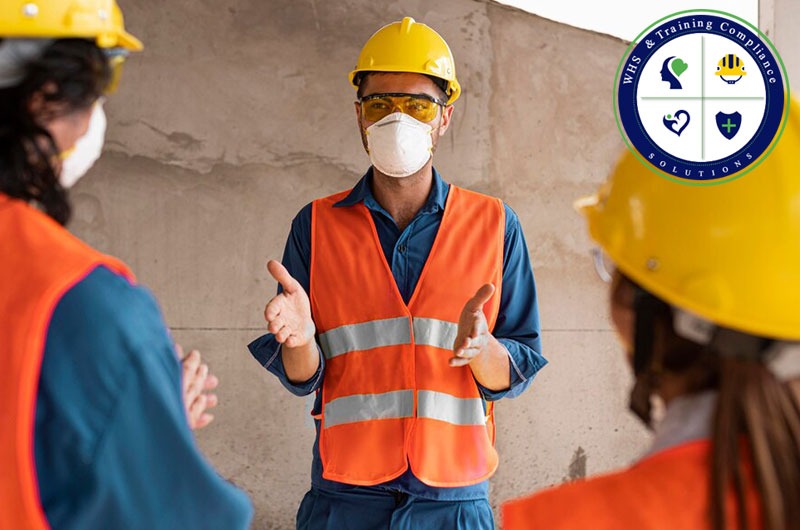
Every business is required by law to provide a safe working environment, but this cannot happen without WHS training. It builds your organisation’s safety culture and helps create a compliant workplace. WHS Training provides your employees with the skills necessary to work safely and to be aware of the risks around them.
If you want to understand how WHS training Brisbane works, this guide will give you a breakdown of all the important elements.
WHS Training Fundamentals
WHS Training is about protecting workers from dangers at their place of work. All workers must know the procedures for safety and their legal responsibilities for safe work practices.
Employees are taught how to identify hazards, prevent workplace incidents and respond to emergency situations.
WHS training allows employers in Australia to fulfil their obligations to comply with workplace health and safety legislation. It is made up of both theory and practical activities. This way, you will be able to effectively apply what you have learnt when the situation arises.
Accountability and Compliance with the Law
WHS training provides employers and employees with guidance on meeting the Commonwealth Government standards for workplace health and safety compliance.
In addition to workplace safety and health policies and legislation, every employee will also learn about their responsibilities and obligations under the Work Health and Safety Act 2011. They will be made familiar with:
- Duties of both employers and employees
- Risk Management Obligations
- Processes for reporting incidents
- Legislation relating to workplace safety
Identification of Risks and Risk Control
One of the major aspects of WHS training is hazard Identification, where you are educated o how to identify a wide range of potential risks in the workplace.
These include:
- Physical hazards (eg, slip or trip hazards).
- Hazards related to injury or exposure to chemicals.
- Unsafe work procedures.
You will know how to assess the level of risk posed by each of these hazards and what you can do to control or reduce their impact.
Training will cover the use of specific control measures, including:
- Eliminating risks where possible.
- Using protective equipment (e.g. Respirators, Goggles, Gloves).
- Implementing safe work procedures (e.g. Manual Handling, Working on Ladders).
Taking a proactive approach to identify and control workplace risks reduces the possibility of accidents before they happen.
Preparedness and Emergency Response
WHS Training helps you make quick decisions during emergencies. Examples could be accidents at work, a fire, or a serious medical emergency.
Training provides you with procedures for evacuating and how to operate the emergency equipment. Training also explains the communication procedures to follow when dealing with an emergency.
Employees who are trained will be able to react more quickly to the situation at hand and will be able to minimise damage and/or injuries as a result. Therefore, emergency preparedness is a very important component of WHS training.
Safety Committees and Their Role
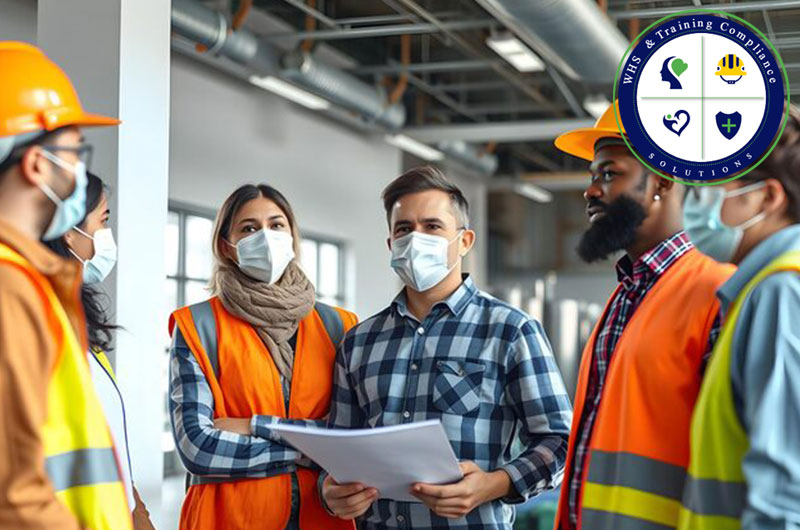
Safety Committees play an important role in maintaining compliance. WHS Training provides Committee members with a clear understanding of each of their responsibilities.
As a committee member, you will be able to:
- Conduct safety meetings
- Review incident reports
- Provide recommendations regarding improving safety
- Monitor the conditions at work
The above actions ensure that safety will be integrated into the workplace as an ongoing process rather than a one-time activity.
The Importance of Mental Health Training
Modern WHS Training includes recognising the importance of Mental Health. Psychological well-being is just as important as being physically healthy.
Standard MHFA training teaches you how to identify the signs of mental health problems. Training also teaches you how to provide initial support to a person who is having difficulties and how to help them find professional help.
This improves the work environment as well as reduces the stigma associated with mental health. It provides a forum for open communication and early intervention.
Practical Learning and Assessment
WHS training consists of both theoretical learning and practical assessment. You don’t merely learn theoretical concepts; you also get a chance to apply these theoretical concepts to actual situations.
Training might include:
- Case study analysis
- Group discussion
- Role-play type activity
- Simulated work environments
Assessment will ensure you understand and remember what you learned through your training. The structured approach to training helps to build employee confidence and competence.
Training Customised for the Workplace
Each workplace has its own specific hazards and risks, so WHS training is modified based on the various businesses and their resources.
For example, WHS training for a construction site will be different from WHS training for an IT office. The training provider will customise the content based on the specific needs of your organisation.
This will help ensure employees receive relevant and practical knowledge related to their job functions, which will ultimately improve the efficiency of the organisation.
Benefits Of WHS Training Programs
WHS training programs provide long-term benefits to both employees and employers. They facilitate a positive workplace safety culture and improve the efficiency and effectiveness of an organisation’s operations.
WHS training provides employees with a greater level of confidence to do their jobs and helps employers to:
- Reduce workplace accidents
- Increase the level of compliance
- Experience less risk concerning potential legal issues
Mental Health First Aid: The Need For Integration
Mental health is being included as part of workplace safety. Standard MHFA training can provide you with useful skills to help colleagues.
You will develop skills in:
- Knowing about the signs of early distress
- How to approach someone experiencing distress
- Providing initial support to distressed co-workers
- Encouraging someone to seek professional help
Through the integration of mental health first aid training within WHS, there is an equal balance in addressing both physical and psychological workplace risks.
Finding A Suitable Training Program
Before you can select a suitable WHS training course for your workplace, you need to be clear about the needs of your workplace and the type of training you need.
Many face-to-face WHS training programs offer better engagement and interaction due to the facilitation of questions and real-time practice of skills during a live session.
When selecting WHS training Brisbane, always look for structured courses that include all components to meet WHS legislative requirements, including mental health awareness and risk management.
Conclusion
WHS training is a comprehensive approach to workplace safety, compliance with legislation or standards and the well-being of employees. WHS training prepares employees with the knowledge and skills necessary to manage risks effectively.
WHS and Training Compliance Solutions is a workplace safety training organisation providing real-world training programs tailored to the actual needs of businesses. All of their training programs are focused on health, safety, compliance and mental health awareness. WHS and Training Compliance has a philosophy based on trust and high-quality service, which helps businesses create a safe work environment while meeting government requirements with confidence.
Author Bio
The author is a content specialist in the area of workplace safety and has extensive experience in WHS compliance and training. She pens helpful content for businesses to understand safety standards and how to improve workplace practices. The goal of her work is to provide practical ideas and effective communication for all professional audiences.
Frequently Asked Questions
1. What’s the refresh rate for WHS training?
Frequency depends on the risks associated with the business sector in which you work and your responsibilities within that organisation. Many employers choose to refresh employee training every one to two years to ensure compliance with legislation and to keep safety awareness as high as possible throughout their working environments.
2. Who should participate in WHS training?
Every employee at an organisation should have WHS training. This includes not only workers but also managers, supervisors, and members of the safety committee.
3. Can WHS training be tailored for an organisation’s business sector?
Certainly, training can be customised based on the risks specific to a business sector. Making this change to the training content ensures the content presented remains relevant and practical for each workplace.
4. Is there a leadership component to WHS training?
Some programs include leadership training for supervisors. This assists supervisors in making safer decisions and in creating a positive safety culture within their organisations.
5. How can WHS training help improve workplace communication?
Training can provide instruction about what safe reporting mechanisms are available and allow employees to freely discuss their safety concerns with their managers.
6. Will I receive a WHS training certificate at the end of the program?
Most of the formal courses will result in certification if you have successfully completed the course. Certification demonstrates that the individual has met the minimum requirements for safety competencies.